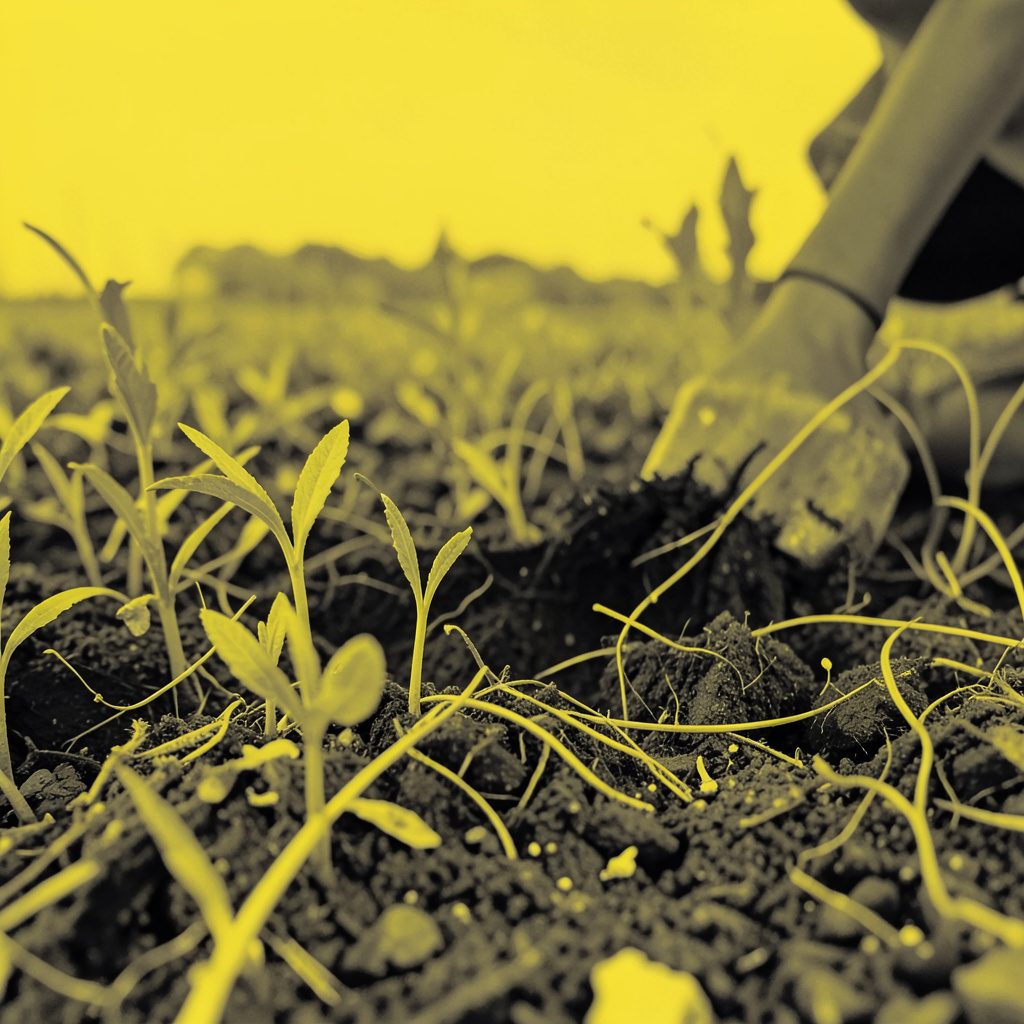
Sowing the Gospel begins with a posture of prayer and intentional preparation. Before a single conversation takes place, believers are called to intercede for those who do not yet know Christ, asking God to prepare hearts and open doors. This foundational step aligns the sower with the work of the Spirit, recognizing that transformation comes from God alone. Churches that embrace this vision commit to praying specifically for lost individuals by name, cultivating a communitywide sensitivity to divine appointments. Sowing is not a random act but a deliberate, Spirit-led process that positions every believer as a participant in God's redemptive mission. Prayer prepares both the messenger and the recipient for the seeds of truth that will follow.
The act of sowing the Gospel requires believers to be present where people are, building authentic relationships that earn the right to be heard. This means stepping beyond the walls of the church and into everyday spaces—neighborhoods, workplaces, schools, and community gatherings. When Christians live out their faith with consistency and compassion, they create opportunities for meaningful conversations about eternal things. Sowing is not limited to formal evangelism programs but happens naturally through acts of kindness, listening ears, and genuine care for others. Every interaction becomes a chance to demonstrate the love of Christ and to plant seeds of hope that may later grow into a harvest of faith.
A strategic framework for sowing the Gospel helps churches move from occasional outreach to a sustained culture of evangelism. Congregations that adopt a coordinated approach see greater fruitfulness over time, as members are equipped and encouraged to share their faith regularly. This involves training believers to communicate the Gospel clearly and compellingly, using language that resonates with contemporary hearers. Resources such as personal testimonies, simple Gospel presentations, and seasonal campaign materials support these efforts throughout the year. When sowing becomes a lifestyle rather than an event, the entire church aligns around the shared mission of fulfilling the Great Commission, one conversation at a time.
The vision of sowing extends beyond initial contact to include patient cultivation and follow-up. Not every seed germinates immediately, and believers are called to persevere through seasons of apparent inactivity. This long-term perspective frees Christians from the pressure of immediate results, allowing them to trust God's timing in the growth process. Churches that embrace this patience continue to water seeds through ongoing relationship, prayer, and consistent Gospel witness. Over time, repeated exposure to the truth of Scripture and the reality of Christian community softens hearts and prepares the soil for eventual harvest. Sowing is thus a commitment to remain faithfully present, season after season, trusting God to bring the increase.
Celebrating the harvest is the joyful culmination of faithful sowing, but it is never the end of the journey. When individuals respond to the Gospel and place their faith in Christ, the church welcomes them into a community of discipleship and growth. This celebration reinforces the value of evangelistic effort and encourages continued participation in the sowing process. Each new believer becomes a witness in their own right, extending the cycle of sowing and reaping into new networks of relationships. The vision of God's Plan for Sharing is a lifetime process of intentionally aligning every aspect of ministry around the commission to make disciples. Sowing, harvesting, and celebrating form a continuous rhythm that propels the church forward in mission.
Sowing is the third biblical component of God's Plan for Sharing. It focuses on increasing the number of times people hear a complete gospel presentation — in daily life, across neighborhoods, and among the nations.
Increasing Gospel Presentations
Every believer is encouraged to look for natural opportunities to share the full gospel message in everyday conversations. The goal is not merely to invite people to church, but to present the good news of Jesus Christ clearly and completely wherever God has placed you.
Reaching Neighbors and Nations
Sowing extends beyond the walls of the church. Churches are called to engage their immediate communities while also participating in efforts to reach unreached people groups around the world. This dual focus — local and global — reflects the Great Commission's scope.
Identifying Receptive People Groups
Effective sowing involves discernment. By identifying people groups and communities that are open to hearing the gospel, churches can steward their evangelism efforts wisely, directing energy and resources toward fields ready for harvest.
← Back to The Vision